
 Home
Home JCT
JCT  Oct 27,2025
During the resin production process, how does JCT help customers ensure environmental protection standards and avoid pollution through equipment design + process management + waste gas and wastewater treatment systems?
Ⅰ. Control at the source: Enclosed and automated equipment design
The resin production process (such as alkyd, epoxy and acrylic resins) typically invulves heating, reaction and solvent volatilization, which are major sources of volatile organic compounds (VOCs).
To avoid pollution, equipment design must control emissions at the source:
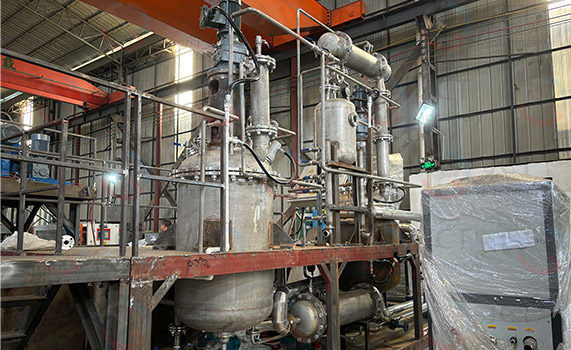
1. Fully enclosed reaction system
- Reactor, storage tanks, and pipelines are all sealed to prevent the escape of solvent or monomer vapors.
- A condensation recovery system is installed to recirculate condensed solvent, minizing evaporation losses.
2. Automated control system
- PLC or DCS system controls temperature, pressure and vacuum to prevent overheating or leakage caused by human error.
- An online monitoring system provides real-time monitoring of emissions to prevent exceeding standards.
3. Explosion-proof and leak-proof design
- For reactions involving solvents, explosion-proof motors, explosion-proof control cabinets and an inert gas protection system are used.
Ⅱ. Process control: Reducing byproducts and waste
Waste, byproducts and residues generated during production are also sources of pollution and must be controlled through process optimization:
- Improving reaction conversion: Precisely controlling the raw material ratio and reaction time ensures a more complete reaction and reduces unreacted monomers.
- Utilizing high-efficiency separation technology: Utilizing vacuum dehydration or continuous distillation towers to separate and recover reusable solvents.
- Enclosed loading and discharging systems: Preventing liquid materials from coming into contact with air, which could cause solvent evaporation or leakage.
Ⅲ. Waste treatment system (gas, liquid, and solid)
1. Waste gas treatment system
- Three-stage treatment: Condensation+activated carbon adsorption+catalytic combustion: VOCs are condensed and the solvent is recovered. The remaining gas is then purified through activated carbon adsorption or catalytic combustion to meet emission standards.
- Deodorization system: Used in processes with strong resin odor (such as esterification) to prevent odor in the workshop.
2. Wastewater treatment system
- Wastewater containing organic matter is treated through flotation+biochemical treatment+activated carbon adsorption.
- High-concentration wastewater can be treated through evaporation concentration or incineration to avoid direct discharge.
3. Solid waste
- Solid waste such as resin residue and filter media is collected and sorted according to hazardous waste management requirements, and regularly treated or entrusted to a qualified organization for disposal.
Ⅳ. Engergy saving and green production
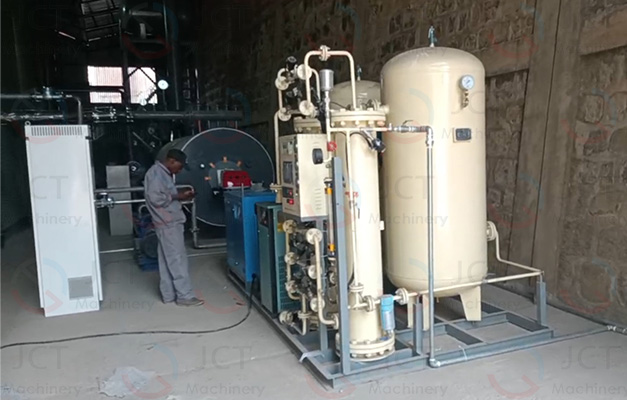
- A thermal oil circulation system replaces steam heating, reducing energy consumption and condensate discharge.
- A waste heat recovery system allows the heat from the reactor to be used to heat solvents or raw materials.
- Developing a water-based resin production line and a solvent-free process line reduces VOC emissions at the source.
JCT is committed to providing customers with environmentally friendly resin production line turnkey projects. Through fully enclosed reaction systems, automated control, VOC condensation recovery, exhaust gas purification and wastewater treatment technologies, we ensure that the resin production process is safe, energy-saving and pollution-free.
Feel free to contact us if you are interested in resin production line turnkey project: +86-181 3837 3963 (Whatsapp, Wechat) or george82006@gmail.com.
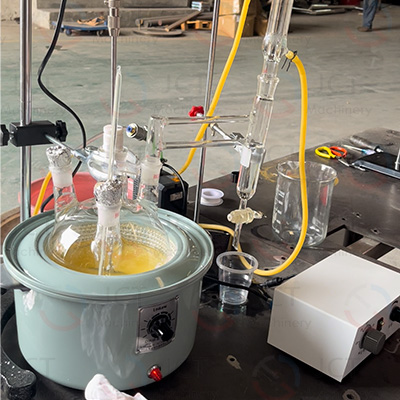
 Different Reactor For Different Resins Production