


ABS is typically produced using either emulsion polymerization or continuous bulk polymerization.
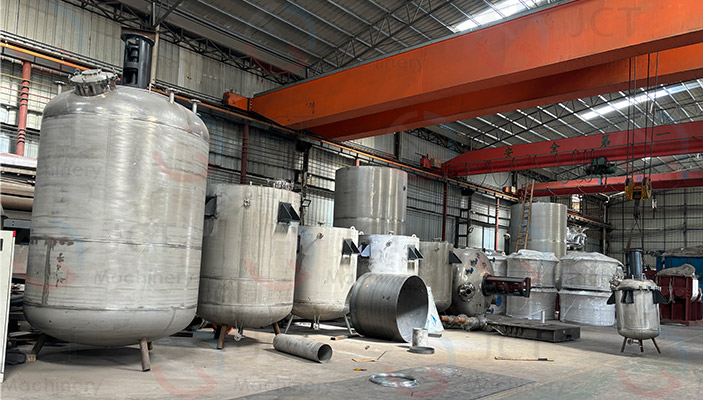
| Equipment | Function |
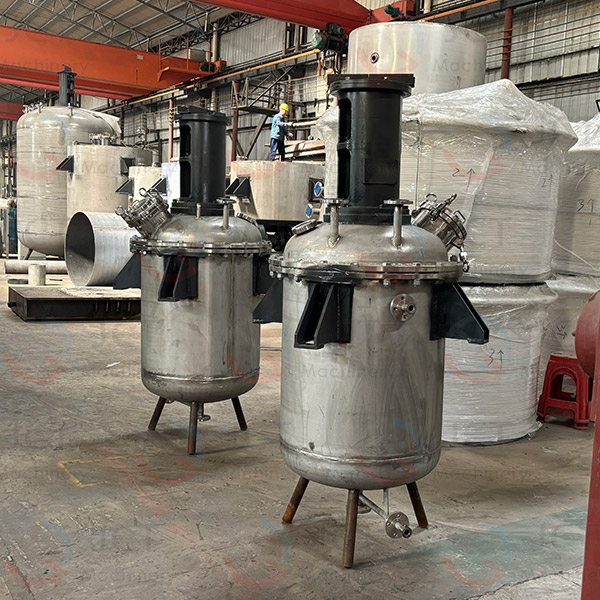
| Polymerization reactor | To achieve copolymerization of components A, B, and S, precise temperature control is required to prevent localized overheating |
| Vacuum devolatilizer | A key step is the removal of unreacted styrene using high vacuum to ensure an odorless finished product |
| Twin-screw extruder | It involves the uniform mixing of resin and additives (flame retardants, antioxidants, and colorants) |
| High-torque kneader | In the later stages of the emulsion process, it treats extremely high-viscosity grafted resin blocks to ensure uniform component penetration |
| Automatic batching and conveying system | It automates the proportioning of raw materials A, B, and S, ensuring batch stability |
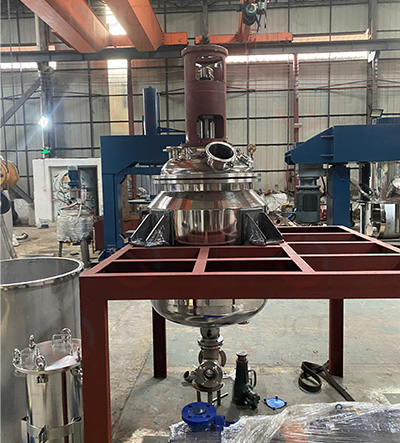
Q: The size of butadiene rubber particles directly determines the impact strength of ABS.
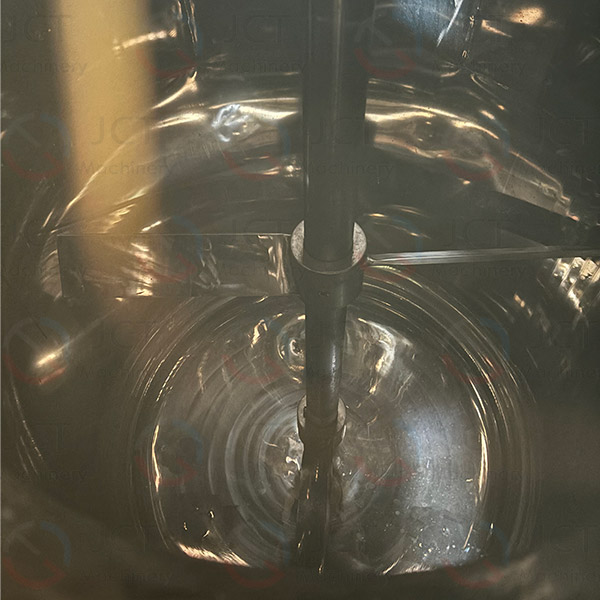
A: Ou ABS production line is equipped with a high-shear stirring system to precisely control the emulsification rate.
Q: Incomplete removal of styrene monomers will result in ABS products with a pungent odor and a tendency to yellow.
A: Employ a highly efficient multi-stage vacuum devolatilization system, equipped with a high-capacity vacuum pump unit.
Q: ABS is temperature sensitive; excessive heating during processing can cause the base color to yellow.
A: Extruders and reactors need to have zoned temperature control functions, and high-efficiency antioxidant additives should be added.

Donglian Jincheng Industrial Zone, Danzao Town, Nanhai District, Foshan City, Guangdong Province, China

Copyright © 2025 Foshan JCT Machinery Co., Ltd.



 Home
Home


